


Key Takeaways: Mature skin after 40 undergoes natural changes like reduced collagen, dryness, and loss of firmness. A successful routine focuses on gentle cleansing, deep hydration with ceramides or hyaluronic acid, and daily SPF protection. Key active ingredients include Retinol for wrinkles, Vitamin C for brightening, and Peptides for firmness.
Mature skin care becomes increasingly important as the skin undergoes natural changes with age. After the age of 40, skin tends to lose elasticity, hydration, and radiance. Fine lines become more visible, and the skin’s ability to regenerate slows down. In this article, we explore how to care for mature skin, what ingredients to look for in cosmetics, and which habits best support a youthful, healthy glow.
Understanding mature skin – what changes after 40?
As we age, several physiological changes affect the skin’s appearance and function.
Common characteristics of mature skin:
- Reduced collagen and elastin production.
- Dryness and thinning of the epidermis.
- Uneven skin tone and dark spots.
- Visible wrinkles and fine lines.
- Loss of firmness and sagging.
These changes are natural and influenced by genetics, sun exposure, hormonal shifts (especially menopause), and lifestyle factors. Recognizing them is the first step toward choosing the right skincare routine.

Key steps in caring for mature skin:
Gentle cleansing.
Use a mild, non-stripping cleanser that maintains the skin’s pH balance. Avoid foaming cleansers with sulfates, which can dry out the skin. Look for cream or oil-based cleansers enriched with ceramides or glycerin.
Deep hydration is essential.
Moisturizing mature skin helps maintain its elasticity and reduce the appearance of fine lines. Use creams rich in Hyaluronic acid, Squalane, Glycerin, or Ceramides. Proper hydration can instantly plump the skin and make wrinkles less visible.
Don’t skip SPF – ever!
UV damage accelerates skin aging. Use a broad-spectrum sunscreen (SPF 30+) daily, even in winter or on cloudy days. Choose a formula that also hydrates and protects against blue light.
Best ingredients for mature skin after 40.
- Retinol (Vitamin A): Boosts collagen production, improves skin texture, and reduces wrinkles.
- Vitamin C: Brightens the skin, fades pigmentation, and offers antioxidant protection.
- Peptides: Stimulate skin regeneration and increase firmness.
- Niacinamide: Reduces redness, strengthens the skin barrier, and balances sebum.
- Coenzyme Q10 (CoQ10): Protects against oxidative stress and reduces signs of fatigue.
Skincare routine for mature skin – day and night:
Morning routine:
- Gentle cleanser.
- Antioxidant serum (e.g., with Vitamin C).
- Moisturizer.
- SPF 30+.
Evening routine:
- Makeup remover / cleansing oil.
- Nourishing cleanser.
- Retinol or peptide serum.
- Rich night cream.
- Eye cream (optional).
Consistency is key; even the best products won’t work if used sporadically.
Tips for long-term skincare success:
- Stay hydrated – drink enough water throughout the day.
- Limit sugar and processed foods – they can worsen skin aging.
- Get enough sleep – skin regenerates during rest.
- Avoid smoking – it breaks down collagen.
- Use silk pillowcases – gentler on the skin and hair.
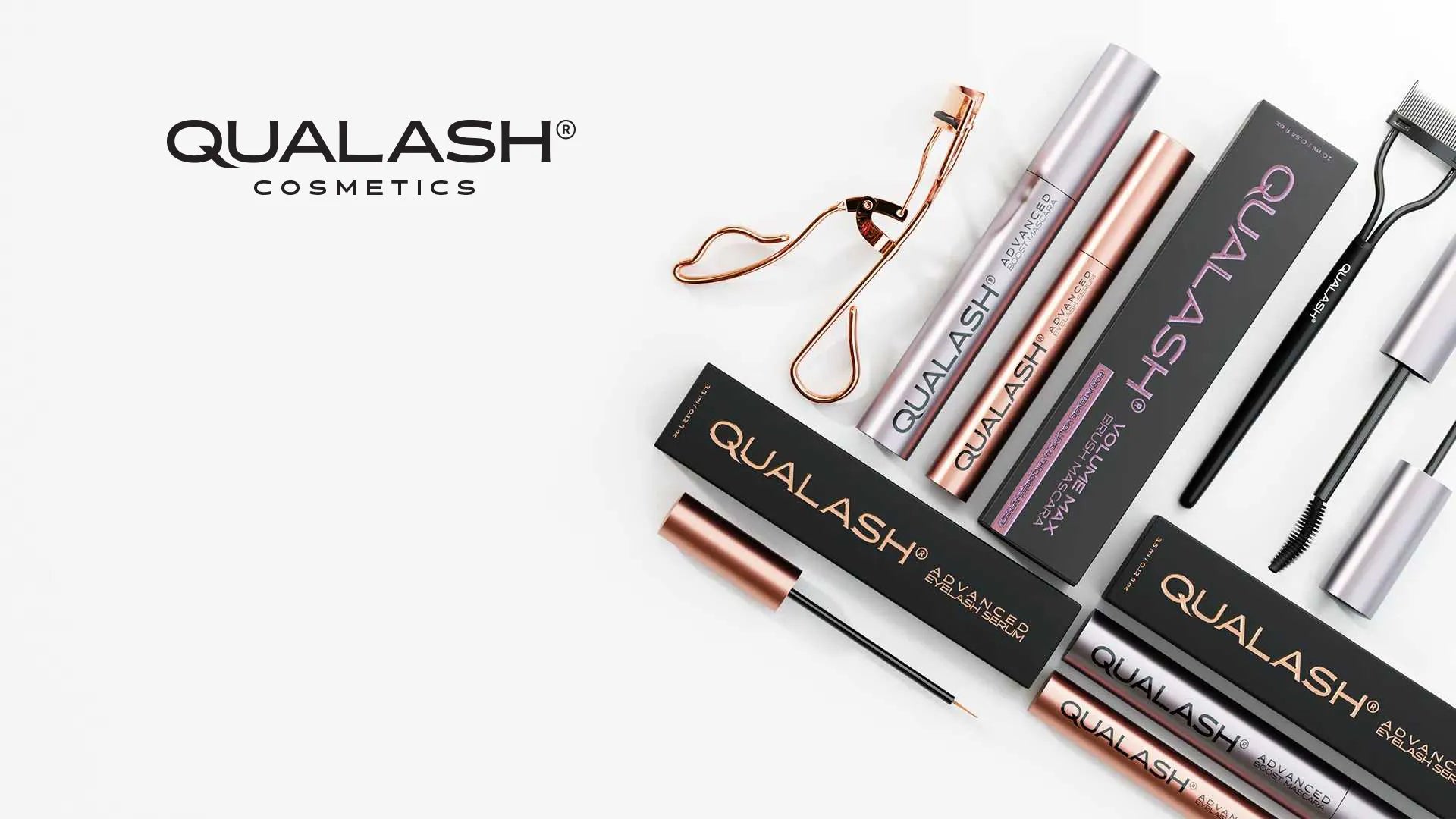
Enhance Your Routine with Lash & Brow Care
Beautiful skin deserves beautiful lashes. Pair your daily facial care with QUALASH® Eyelash Serum — enriched with peptides, biotin, and botanical extracts to promote longer, fuller lashes in just 25 days.
Shop NowSummary – skincare after 40 is about smart choices.
Skincare for mature skin doesn’t mean chasing youth—it means embracing beauty with intention and care. Choosing the right ingredients, maintaining hydration, and protecting the skin daily can transform how your skin looks and feels. Beautiful skin at 40+ is not a myth—it’s a matter of routine, not magic.
FAQ – Mature skin care:
Q: When should I start using anti-aging products?
A: It’s never too early or too late, but after 40, active anti-aging ingredients become especially beneficial.
Q: Is retinol safe for sensitive skin?
A: Yes, if introduced gradually and followed by a soothing moisturizer. Consider using it 2–3 times a week at first.
Q: Can I use Vitamin C and retinol together?
A: Yes, but not at the same time. Use Vitamin C in the morning and retinol at night.
Q: How can I firm sagging skin?
A: Look for products with peptides, retinoids, and collagen-boosting ingredients. Also, facial massage and professional treatments can help.
Q: Are natural cosmetics enough for mature skin?
A: Natural ingredients can be effective, but for visible anti-aging results, products with clinically tested actives are often more potent.
Emily Brown
Eyelash Serum Formulation Researcher at QUALASHEmily focuses on advanced eyelash serum formulations, ingredient technologies and modern lash-conditioning science. She contributes educational content designed to help users better understand the biological foundation of effective lash care.


